
EATING DISORDERS
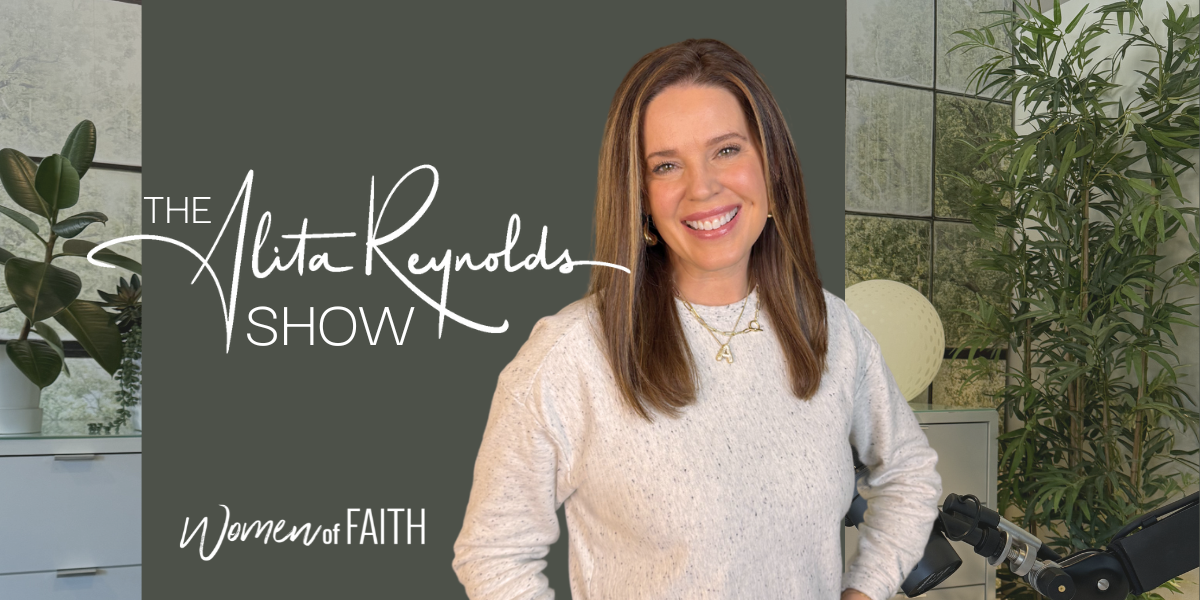
THE ALITA REYNOLDS SHOW
Inspiring conversations that will encourage you to live the life you were created for.
Do you want to experience a deeper relationship with Jesus?
Do you need some encouragement that your story has a purpose?
Join Alita Reynolds, the President of Women of Faith, as she and her featured guests inspire you to live the life you were created for and equip you to walk more fully in God’s purpose for your life.
Whatever your story, your life matters, you belong, and God wants you to live victoriously. You’ll meet a wide range of guests who impact the kingdom in meaningful ways every day. Their stories will inspire you to believe that when we walk by faith, ANYTHING is possible.
Spiritual Action Plan for Healing
Here’s a spiritual action plan for addressing eating disorders with God’s guidance, along with prayers and relevant Scriptures:
Acknowledge the Struggle Before God
-
Be honest with God about your feelings, fears, and struggles. He desires to meet you in your pain.
-
Prayer:
"Lord, I come to You with my brokenness. You know the struggles I face and the burden I carry. Please help me to see myself through Your eyes and guide me toward healing. Amen." -
Scripture: "The Lord is close to the brokenhearted and saves those who are crushed in spirit." (Psalm 34:18)
Renew Your Mind with God’s Truth
-
Replace lies about your worth, appearance, and control with God’s truth. Meditate on Scriptures that affirm your value in Christ.
-
Scriptures to Meditate On:
- "So God created mankind in his own image, in the image of God he created them; male and female he created them." (Genesis 1:27)
- "You are altogether beautiful, my darling; there is no flaw in you." (Song of Solomon 4:7)
- "For we are God’s handiwork, created in Christ Jesus to do good works, which God prepared in advance for us to do." (Ephesians 2:10)
-
Action Step: Write these verses down and place them in areas where you’ll see them daily (e.g., your mirror, journal, or phone).
Surrender Control to God
-
Eating disorders often involve a desire for control. Surrender this need to God and trust His plan for your life.
-
Prayer:
"Father, I release my need to control my body and my life. Teach me to trust You completely, knowing You hold me in Your hands. Replace my fears with faith. Amen." -
Scripture: "Trust in the Lord with all your heart and lean not on your own understanding; in all your ways submit to him, and he will make your paths straight." (Proverbs 3:5-6)
Seek Support Within God’s Family
-
Healing often requires community. Connect with a trusted pastor, counselor, or support group that aligns with your faith.
-
Action Step: Find a Christian counselor or support group that specializes in eating disorders. Many churches and ministries offer resources for mental health.
-
Scripture: "Carry each other’s burdens, and in this way, you will fulfill the law of Christ." (Galatians 6:2)
Rely on God’s Strength for Recovery
-
Recognize that healing is a journey and that God’s strength is sufficient to sustain you through it.
-
Prayer:
"Lord, I know this road is hard, but I trust in Your power to strengthen me. Walk with me each day, and help me to rely on You, not my own understanding. Amen." -
Scripture: "I can do all this through him who gives me strength." (Philippians 4:13)
Practice Gratitude and Worship
-
Focus on the blessings God has given you and practice gratitude for your body, your life, and His faithfulness.
-
Action Step: Keep a gratitude journal, listing things you’re thankful for each day, including small steps toward healing.
-
Scripture: "Give thanks in all circumstances; for this is God’s will for you in Christ Jesus." (1 Thessalonians 5:18)
Daily Prayer for Healing
Heavenly Father, thank You for creating me in Your image. I confess the struggle I have with my thoughts and actions toward my body. Help me to see myself as You see me—precious, loved, and worthy. I ask for Your strength as I work toward healing, and I pray for wisdom and courage to take the steps needed. Surround me with people who will support and encourage me, and help me to trust Your plan for my life. Thank You for Your unending grace and love. In Jesus’ name, Amen.
Healing is a process and God walks with you every step of the way. Remember that your worth is not in your struggles or appearance and in being a beloved child of God.
Anorexia Nervosa
Anorexia nervosa (commonly referred to as anorexia) is a serious and potentially life-threatening eating disorder characterized by extreme restrictions on food intake, an intense fear of gaining weight, and a distorted perception of body image. People with anorexia often equate their self-worth with their ability to control their weight and shape, leading to unhealthy behaviors and significant physical and mental health consequences.
Key Features of Anorexia Nervosa
-
Extreme Restriction of Food
- Individuals severely limit the amount of food they eat, often avoiding entire food groups.
- This can result in extreme weight loss or an inability to maintain a healthy weight.
-
Intense Fear of Gaining Weight
- Despite being underweight, individuals have a persistent fear of gaining weight or becoming "fat."
-
Distorted Body Image
- Individuals see themselves as overweight or out of shape, even when they are dangerously underweight.
- Their self-esteem is often closely tied to their body size and shape.
-
Subtypes of Anorexia Nervosa
- Restricting Type: Weight loss is achieved through extreme dieting, fasting, or excessive exercise.
- Binge-Purge Type: Individuals may binge eat and then compensate through purging behaviors such as vomiting, using laxatives, or diuretics.
Symptoms of Anorexia
Physical Symptoms
- Extreme weight loss or low body weight for one’s age and height.
- Fatigue and low energy levels.
- Dizziness or fainting.
- Brittle hair and nails, hair thinning or loss.
- Lanugo (fine hair growth on the body, a response to severe weight loss).
- Irregular or absent menstrual periods in females (amenorrhea).
- Gastrointestinal problems like constipation or bloating.
- Low blood pressure and slow heart rate.
Behavioral and Psychological Symptoms
- Preoccupation with food, dieting, and calorie counting.
- Refusal to eat certain foods or entire food groups.
- Avoiding meals or eating in secrecy.
- Obsessive weighing or measuring of the body.
- Perfectionism and an intense drive to achieve unrealistic goals.
- Social withdrawal or isolation.
Causes of Anorexia
The exact causes of anorexia are not fully understood, but it is believed to result from a combination of factors:
- Biological: Genetics may predispose some individuals to anorexia.
- Psychological: Traits such as perfectionism, low self-esteem, or a desire for control can contribute.
- Social/Cultural: Societal pressures to be thin, media portrayal of "ideal" body types, and peer influence.
- Environmental: Family dynamics, trauma, or stressful life events can play a role.
Health Risks
Anorexia can lead to severe health problems, including:
- Malnutrition and organ damage.
- Heart complications, including arrhythmias and heart failure.
- Bone loss (osteoporosis) due to lack of nutrients like calcium.
- Electrolyte imbalances, which can be life-threatening.
- Fertility issues.
- Increased risk of death due to complications or suicide.
Treatment of Anorexia
Recovery from anorexia often involves a multidisciplinary approach:
- Medical Care: To address immediate physical health risks and stabilize the body.
- Psychological Therapy:
- Cognitive-Behavioral Therapy (CBT): Helps change distorted thoughts and behaviors around food and body image.
- Family-Based Therapy (FBT): Especially effective for adolescents, involving family support in treatment.
- Nutritional Counseling: Relearning healthy eating habits and restoring nutritional balance.
- Support Groups: Peer support can provide encouragement and reduce feelings of isolation.
Spiritual Perspective on Anorexia
For those seeking spiritual healing, understanding one’s worth through God’s eyes can be transformative. Emphasizing that our identity is in Christ, not in body image or weight, can be a cornerstone of recovery. Scriptures such as Psalm 139:14 ("I am fearfully and wonderfully made") remind us of God’s intentional design and love for each person.
Bulimia Nervosa
Bulimia nervosa (commonly referred to as bulimia) is a serious eating disorder characterized by cycles of binge eating and compensatory behaviors, such as purging, to prevent weight gain. Individuals with bulimia often struggle with feelings of guilt, shame, and lack of control over their eating habits. Like anorexia, bulimia can have severe physical, emotional, and mental health consequences.
Key Features of Bulimia Nervosa
- Binge Eating Episodes
- Eating unusually large amounts of food in a short period of time (often within two hours).
- During a binge, individuals often feel a loss of control over their eating.
- Compensatory Behaviors
- To counteract the perceived effects of binge eating, individuals may engage in:
- Self-induced vomiting.
- Misuse of laxatives, diuretics, or enemas.
- Fasting or severe dieting.
- Excessive exercise.
- To counteract the perceived effects of binge eating, individuals may engage in:
- Preoccupation with Weight and Body Shape
- A persistent concern with weight, shape, and appearance, often tied to self-worth.
- Recurrent Cycle
- The binge-purge cycle is recurrent and may happen multiple times a week or even daily.
Symptoms of Bulimia
Physical Symptoms
- Swollen cheeks or jawline due to frequent vomiting.
- Chronic sore throat or hoarseness.
- Tooth enamel erosion and cavities caused by stomach acid.
- Acid reflux or other gastrointestinal issues.
- Calluses or scars on the hands and knuckles from inducing vomiting (called "Russell's sign").
- Fatigue and dehydration.
- Irregular or absent menstrual periods.
- Fluctuations in weight, though individuals may remain within a normal weight range.
Behavioral and Emotional Symptoms
- Frequent trips to the bathroom during or after meals.
- Secretive eating behaviors or hiding food.
- Feelings of shame, guilt, or disgust after eating.
- Obsession with dieting, food, and calorie counting.
- Avoidance of meals with others or excessive focus on body image.
Causes of Bulimia
Bulimia results from a combination of factors, including:
- Biological: Genetic predisposition, imbalances in brain chemistry (e.g., serotonin levels).
- Psychological:
- Low self-esteem.
- Perfectionism or a need for control.
- Emotional stress, trauma, or abuse.
- Social/Cultural:
- Societal pressure to achieve an "ideal" body image.
- Exposure to unrealistic beauty standards in media.
- Environmental:
- Family dynamics or a history of dieting and disordered eating.
Health Risks of Bulimia
Bulimia can lead to significant health problems, including:
- Electrolyte imbalances, which can cause irregular heartbeats or heart failure.
- Damage to the esophagus from repeated vomiting.
- Chronic dehydration and kidney problems.
- Digestive issues, including bloating, constipation, or diarrhea.
- Tooth decay and gum disease from stomach acid.
- Mental health conditions, such as anxiety, depression, or substance abuse.
In severe cases, bulimia can be life-threatening if left untreated.
Treatment for Bulimia
Effective treatment involves a combination of medical, psychological, and nutritional approaches:
- Medical Care:
- Addressing any immediate physical health risks, such as electrolyte imbalances or damage to the digestive system.
- Psychological Therapy:
- Cognitive-Behavioral Therapy (CBT): Helps individuals identify and change harmful thoughts and behaviors related to eating and body image.
- Dialectical Behavior Therapy (DBT): Teaches coping skills to manage emotions and reduce binge-purge cycles.
- Nutritional Counseling:
- Developing a balanced relationship with food and restoring healthy eating patterns.
- Support Groups:
- Peer groups or faith-based support can provide encouragement and a sense of community.
Spiritual Perspective on Bulimia
For those seeking spiritual healing, recognizing one’s inherent worth through God’s love can be transformative. Bulimia often stems from a distorted sense of identity or worth, but God’s Word reassures us of His unconditional love:
- Psalm 34:18: "The Lord is close to the brokenhearted and saves those who are crushed in spirit."
- Isaiah 41:10: "Do not fear, for I am with you; do not be dismayed, for I am your God. I will strengthen you and help you; I will uphold you with my righteous right hand."
Prayer for Healing:
Heavenly Father, I come to You with my struggles and pain. Help me to see myself as You see me—worthy, loved, and beautiful in Your eyes. Give me strength to overcome harmful behaviors and guide me toward healing. Surround me with support and fill me with Your peace. Amen.
TYPES OF EATING DISORDERS
Eating disorders are complex mental health conditions that affect how individuals view, interact with, and behave around food and their body image. While anorexia nervosa and bulimia nervosa are the most well-known, there are several other types of eating disorders. Here is an overview of the main types:
Anorexia Nervosa
Key Features:
-
Extreme restriction of food intake.
-
Intense fear of gaining weight.
-
Distorted body image, seeing oneself as overweight even when underweight.
Subtypes:
-
Restricting Type: Involves severe dieting, fasting, or excessive exercise.
-
Binge-Purge Type: Includes binge eating followed by purging behaviors like vomiting or using laxatives.
Health Risks: Malnutrition, organ damage, heart problems, and bone loss (osteoporosis).
Bulimia Nervosa
Key Features:
-
Cycles of binge eating followed by compensatory behaviors, such as vomiting, excessive exercise, or laxative use.
-
Preoccupation with weight and body shape.
-
Feelings of guilt and loss of control after binging.
Health Risks: Electrolyte imbalances, gastrointestinal issues, tooth decay, and damage to the esophagus.
Binge Eating Disorder (BED)
Key Features:
-
Episodes of consuming large quantities of food in a short period, often feeling out of control.
-
Eating even when not hungry and experiencing guilt or shame afterward.
-
No compensatory behaviors like vomiting or excessive exercise.
Health Risks: Obesity, type 2 diabetes, heart disease, and high blood pressure.
Avoidant/Restrictive Food Intake Disorder (ARFID)
Key Features:
-
Avoidance or restriction of food intake, but not due to concerns about weight or body shape.
-
Often related to sensory sensitivities, fear of choking, or lack of interest in food.
-
Can lead to significant nutritional deficiencies and growth issues, particularly in children.
Health Risks: Malnutrition, stunted growth (in children), and difficulty maintaining a healthy weight.
Other Specified Feeding or Eating Disorder (OSFED)
Key Features:
-
A category for eating disorders that don’t fully meet the criteria for other specific disorders but still cause significant distress or impairment.
-
Examples include:
-
Atypical Anorexia Nervosa: Weight remains within or above a normal range despite meeting other criteria for anorexia.
-
Purging Disorder: Purging without binge eating.
-
Night Eating Syndrome: Consuming a majority of daily calories during nighttime hours.
-
Pica
Key Features:
-
Persistent eating of non-food substances such as dirt, clay, chalk, paper, or soap.
-
Typically associated with nutritional deficiencies, developmental disorders, or pregnancy.
Health Risks: Intestinal blockages, poisoning, and infections.
Rumination Disorder
Key Features:
-
Repeatedly regurgitating food after eating, which may be rechewed, re-swallowed, or spit out.
-
Not due to a medical condition or gastrointestinal issue.
Health Risks: Malnutrition, weight loss, and damage to the esophagus.
Orthorexia (Not Officially Recognized as a Diagnosis)
Key Features:
-
Obsessive focus on "healthy" or "clean" eating to the point of causing harm.
-
Often involves severe restriction of certain food groups and extreme rigidity in eating habits.
-
Unlike anorexia or bulimia, the focus is not on weight loss but on food quality and purity.
Health Risks: Nutritional deficiencies, social isolation, and psychological distress.
Compulsive Exercise Disorder (Also Known as Exercise Bulimia)
Key Features:
-
Excessive, obsessive exercise to compensate for calorie intake or to control weight.
-
Exercise is prioritized over physical health, relationships, or other responsibilities.
Health Risks: Physical injuries, fatigue, and severe strain on the heart and muscles.
Unspecified Feeding or Eating Disorder (UFED)
Key Features:
-
Covers eating disorders that cause significant distress or impairment but don’t fit the criteria for other specific disorders.
Eating disorders can affect anyone, regardless of age, gender, or background, and are often accompanied by emotional and psychological challenges. They require early recognition, comprehensive treatment, and support.
If you’d like, I can provide resources or advice for seeking help or additional information about treatment options!
GOD'S HEART ON EATING DISORDERS
God’s heart on eating disorders reflects His deep love, compassion, and desire for healing for those who struggle. Eating disorders often stem from feelings of inadequacy, fear, or a distorted sense of self-worth, but God’s Word offers hope, identity, and restoration. Here’s what the Bible reveals about God’s heart for those facing eating disorders:
God Values Your Worth Beyond Appearance
God’s love for us is unconditional and not based on outward appearance. In a world that often emphasizes physical beauty and perfection, God reminds us that He looks at the heart.
-
1 Samuel 16:7: "The Lord does not look at the things people look at. People look at the outward appearance, but the Lord looks at the heart."
-
Psalm 139:14: "I praise you because I am fearfully and wonderfully made; your works are wonderful, I know that full well."
God’s Heart: He created you with intention, purpose, and love. Your worth is not determined by your body shape or size, but by being His beloved child.
God Cares About Your Pain
God sees and understands the emotional and physical struggles that come with eating disorders. He invites you to bring your burdens to Him and promises to give you rest.
-
Psalm 34:18: "The Lord is close to the brokenhearted and saves those who are crushed in spirit."
-
Matthew 11:28-30: "Come to me, all you who are weary and burdened, and I will give you rest. Take my yoke upon you and learn from me, for I am gentle and humble in heart, and you will find rest for your souls."
God’s Heart: He wants to comfort you in your pain and walk with you on the journey to healing.
God Desires Your Freedom and Healing
God does not want you to live in bondage to unhealthy behaviors or thoughts. Through His power, He can bring freedom and restoration.
-
John 8:36: "So if the Son sets you free, you will be free indeed."
-
Isaiah 61:1: "He has sent me to bind up the brokenhearted, to proclaim freedom for the captives and release from darkness for the prisoners."
God’s Heart: He longs to break the chains of shame, fear, and control that eating disorders often bring.
God Calls You to Care for Your Body as His Temple
Your body is a gift from God, and He calls us to care for it as a temple of His Spirit. This care is not about achieving perfection but about honoring the life He has given.
-
1 Corinthians 6:19-20: "Do you not know that your bodies are temples of the Holy Spirit, who is in you, whom you have received from God? You are not your own; you were bought at a price. Therefore, honor God with your bodies."
-
Romans 12:1: "Therefore, I urge you, brothers and sisters, in view of God’s mercy, to offer your bodies as a living sacrifice, holy and pleasing to God—this is your true and proper worship."
God’s Heart: He desires for you to nourish and care for your body as an act of worship and gratitude.
God Offers Renewal of the Mind
Eating disorders often involve distorted thinking about food, body image, and self-worth. God promises to transform and renew your mind with His truth.
-
Romans 12:2: "Do not conform to the pattern of this world, but be transformed by the renewing of your mind. Then you will be able to test and approve what God’s will is—his good, pleasing and perfect will."
-
2 Corinthians 10:5: "We take captive every thought to make it obedient to Christ."
God’s Heart: He wants to replace lies with His truth and help you see yourself as He does—worthy, loved, and enough.
God’s Grace Covers You
In moments of struggle, relapse, or doubt, God’s grace remains sufficient. His love does not depend on your performance but is given freely.
-
2 Corinthians 12:9: "My grace is sufficient for you, for my power is made perfect in weakness."
-
Lamentations 3:22-23: "Because of the Lord’s great love we are not consumed, for his compassions never fail. They are new every morning; great is your faithfulness."
God’s Heart: His grace meets you where you are, offering forgiveness, strength, and hope.
Practical Steps to Align with God’s Heart
-
Seek Support: Reach out to trusted individuals, counselors, or faith-based groups who can walk alongside you in healing.
-
Pray for Strength: Ask God for the courage to face your struggles and for wisdom in taking steps toward recovery.
-
Meditate on Scripture: Fill your mind with God’s Word to combat negative thoughts and replace them with His truth.
-
Focus on Gratitude: Thank God for your body’s abilities and the life He’s given you.
-
Lean on His Love: Remind yourself daily that your identity and worth come from being a child of God.
A Prayer for Healing
Heavenly Father, I come to You with my struggles and ask for Your healing touch. Help me to see myself as You see me—fearfully and wonderfully made. Replace my fears and doubts with Your truth, and guide me toward freedom and peace. Surround me with the support I need and strengthen me to care for my body as Your temple. Thank You for Your unending love and grace. In Jesus’ name, Amen.
